A guide to scaling your content operation without losing the meaning behind it - for in-house teams in Employer Branding and Talent Acquisition.
Brought to you by Employer Content Marketing and Cliquify - find out more ↓
Employer branding is having a moment. More eyes are on the work, inside organisations and across the industry. But the practice has never been easy, and a higher profile doesn't change that.
Most employer brand people are running something closer to a startup than a department - small budget, big remit, and a constant need to make the case for more. Add AI into the mix, and the risk isn't that it replaces the work. It's that it quietly turns into more generic noise, faster.
This guide is what came out of the conversations we keep having about exactly that - built from what we've seen work, and from what we've lived ourselves.
"They're an army of one, or two at most, supporting hundreds of recruiters who are effectively their internal customer base."
"Burnout is something the industry doesn't talk about enough - it's more prevalent than the industry would care to admit."
"You already had less. Then you add AI, and the expectation becomes you should be able to do more with it. But the demand was already unreasonable to begin with."
"Scale isn't just about creating lots of AI slop and corporate slop - there's plenty of that out there already."
Take it as it's written, or adapt the parts that are useful to how your organisation actually works.
No email required, no charge. Just a straightforward download.
Download the guide (PDF)We've had this conversation more times than we can count - with practitioners, with each other, and in our own work too.
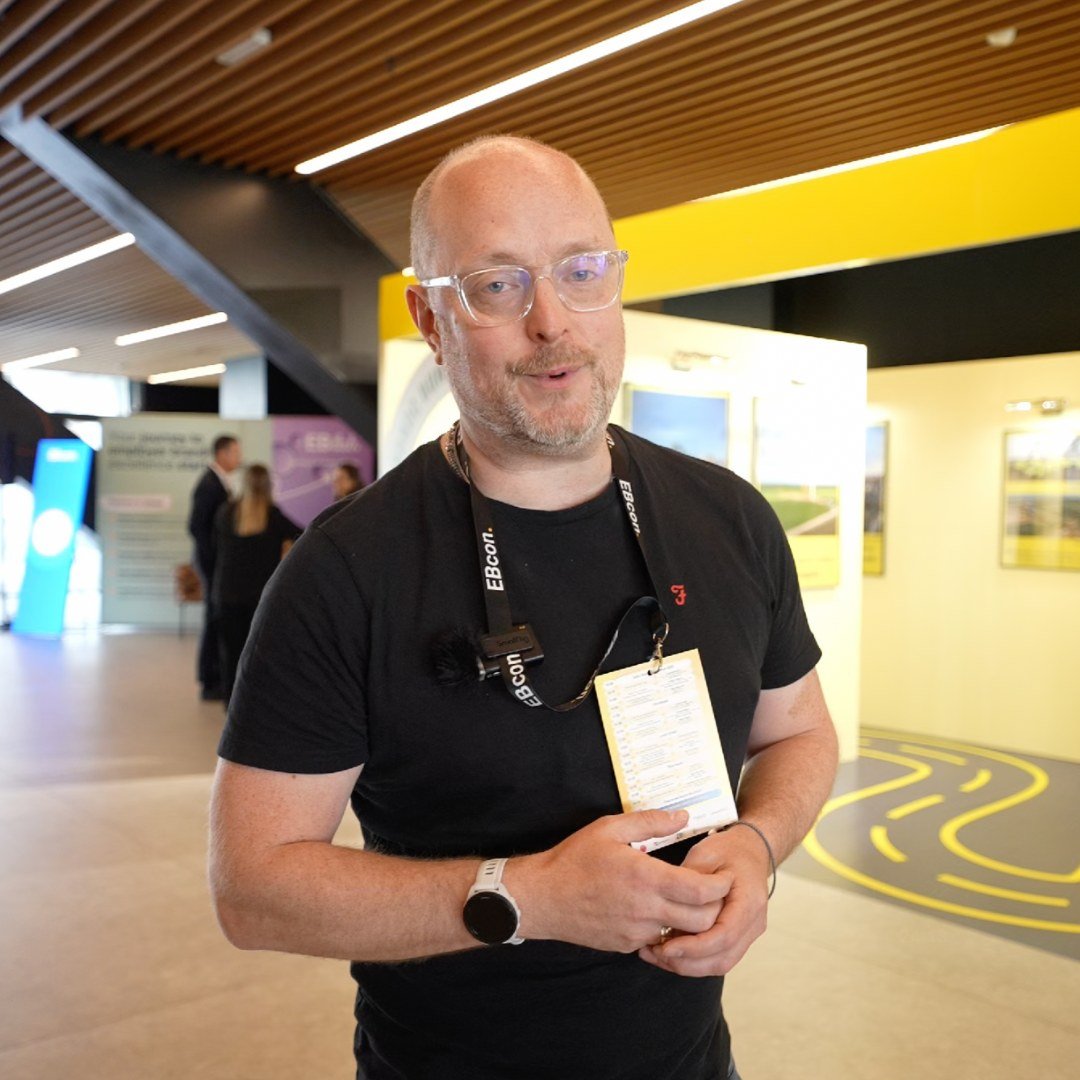
This guide is a collaboration, not a sponsorship. We wrote it together because we keep having the same conversation with employer brand and talent acquisition practitioners, and thought it was worth putting down properly.
Cliquify helps organisations plan, create, activate and measure employer brand content from one place - including Cleo, its AI layer trained on each organisation's own brand and content, so what it produces sounds like them, because it's built from them.
New podcast episodes. Occasional thinking. Examples of work I'm seeing in the market. Conversations with people from across the industry.